Why Your Dream College Got Harder to Get Into
Ten years ago, getting into highly selective colleges was difficult. Today, the admissions landscape looks entirely different.
At many schools, acceptance rates didn’t simply decline; they plummeted. This shift isn’t limited to Ivy League institutions, either. Some of the most dramatic changes have happened at universities families once viewed as realistic target schools.
Here’s what changed.
Ivy Leagues were already competitive, and got even harder
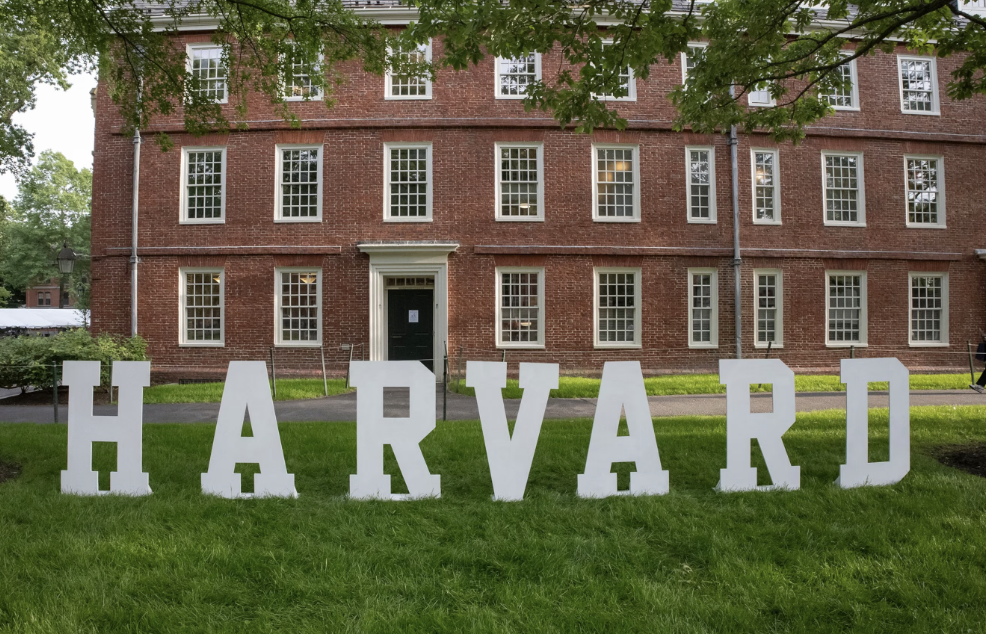
Harvard University accepted roughly 4.9% of applicants for the Class of 2024. For the Class of 2028, that number fell to 3.5%.
That may not sound dramatic at first glance, but when you’re already operating at ultra-low acceptance rates, even a 1–2% drop represents hundreds of additional highly qualified students being turned away.
The same trend played out at:
Yale University
Princeton University
Columbia University
University of Pennsylvania
These schools were never easy to get into. They’ve simply become even more selective.
The biggest surprise? Former “target schools”
Northeastern University saw one of the most dramatic shifts in higher education. For the Class of 2024, its acceptance rate was roughly 18%. For the Class of 2028, that number dropped to 5.7%, while applications surged from more than 64,000 to nearly 100,000.
Students who may have viewed Northeastern as a realistic target school just a few years ago are now applying to one of the most selective universities in the country.
New York University has experienced a similar shift. A decade ago, its acceptance rate hovered around 30%. In the most recent admissions cycle, it hit a record low of 8%.
These schools, and most others, are strong reminders that families can’t rely on outdated perceptions of selectivity.
Why is this happening?
Several factors are driving this shift.

The Common App has made it easier for students to apply to more schools with less friction. As a result, admissions offices are receiving record numbers of applications without increasing class sizes.
Test-optional policies also expanded applicant pools. Students who may have previously ruled themselves out based on test scores are now applying to schools they may not have considered before.
Social media and rankings have also reshaped college popularity. Schools like the University of Miami, Duke, and UCLA have become increasingly visible online, exposing them to a much larger applicant pool.
What families often get wrong
Many parents build college lists based on what schools felt like when they applied. That approach no longer works.
A school that felt like a target ten years ago may now be a reach. A school that once felt like a safety may no longer be one, depending on a student’s intended major, especially in engineering, business, nursing, and computer science.
The takeaway
College admissions have not become impossible. They have become far more strategic. Students who start earlier have more time to:
build realistic school lists
strengthen extracurricular depth
improve testing outcomes
craft stronger applications
One of the biggest mistakes we see is students applying to today’s colleges with yesterday’s expectations.
At Ivy Advisors, we help students build smarter college strategies from the start. Book a consultation to learn more.